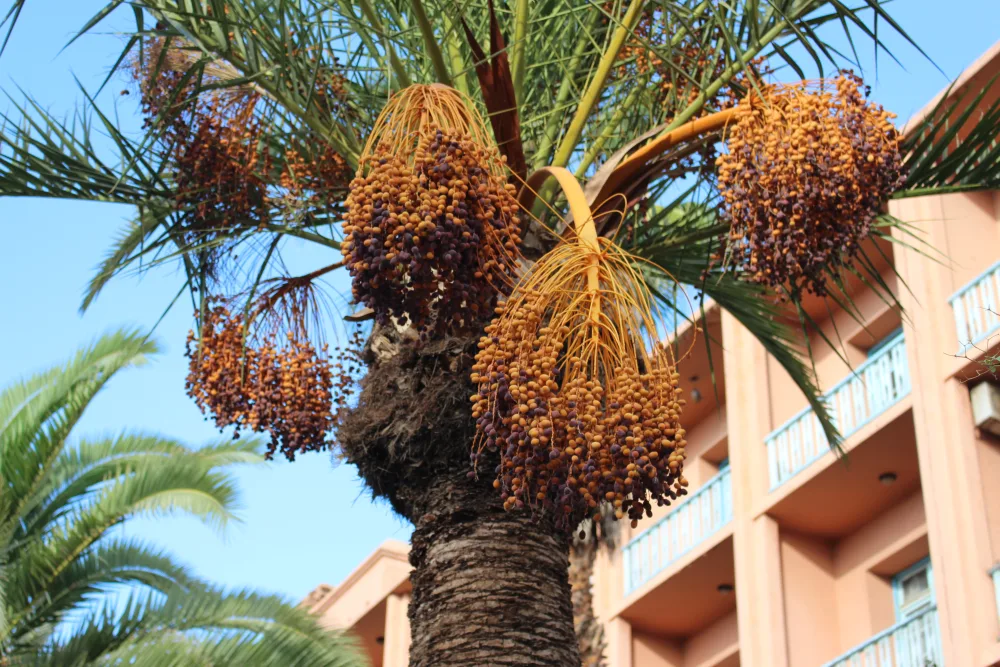
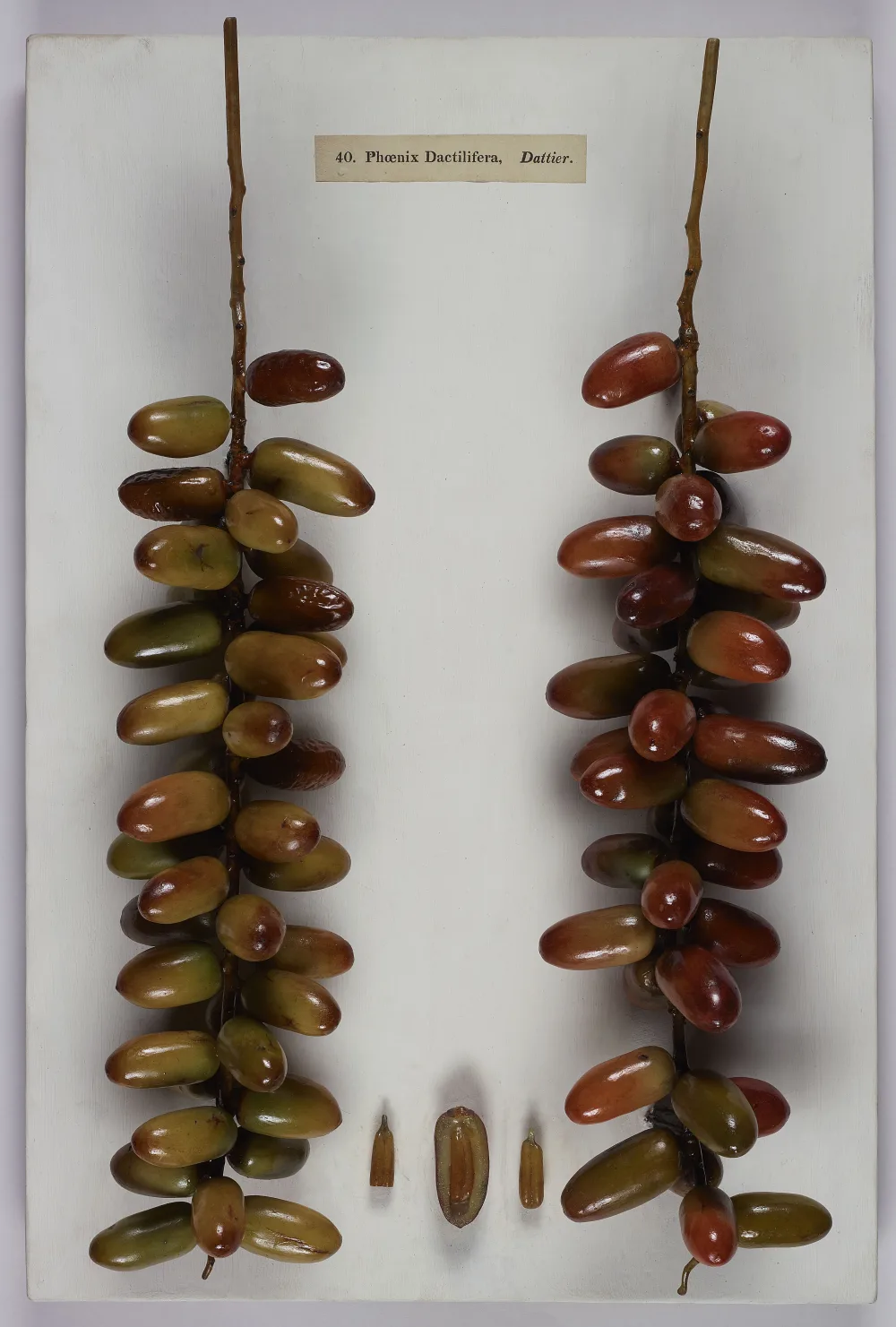
Not every Egyptian-date need calls for a mainstream brand like Golden Valley. For market traders, warungs, cooperatives, mass takjil, and resellers chasing thin margins on big volume, there is an even cheaper tier: El-Waha, El-Wahana, and Saafa. All three are value-class Egyptian-date brands that usually mark the lowest price point in the category. This article explains their character, prices, and how to buy the value tier wisely.
Meet the value Egyptian-date brands
Unlike premium dates that flaunt size and looks, value brands emphasize one thing: the cheapest Egyptian dates that are still perfectly edible. Their profiles:
- El-Waha — Egyptian dates with a sweet taste, thick soft flesh on the bite, small seeds, and dark-brown color. One of the most economical wholesale price points.
- El-Wahana (Al Wahana) — Egyptian dates with fairly large fruit, soft flesh, and sweet taste. Often paired with El-Waha.
- Saafa — a standard/value brand completing the value-to-premium Egyptian-date ladder, with a carton price on par with El-Waha.
All these brands come from Egypt, the world's largest date producer (around 1.87 million tons in 2023 per databoks) and Indonesia's single biggest supplier. Because supply is large, this value tier keeps Egyptian-date prices affordable for the mass market.
Value-tier wholesale price table (as of 2026)
| Brand | Pack | Price range | Position |
|---|---|---|---|
| El-Waha | 10kg carton | ± Rp225,000 | Value/cheapest |
| El-Wahana | 10kg carton | ± Rp225,000 | Value |
| Saafa | 10kg carton | ± Rp225,000 | Value/standard |
| Golden Valley (reference) | 10kg carton | ± Rp260,000–Rp335,000 | Mainstream |
| Barari Egyptian (reference) | 10kg carton | ± Rp235,000 | Premium |
Source: Egyptian-date wholesale price lists as of 2026. With a gap of roughly Rp35,000–Rp110,000 per carton versus Golden Valley, the value tier saves a lot when you buy dozens of cartons. For reference, some sellers have reported value-tier wholesale around Rp180,000–Rp190,000 per box on large buys (e.g., 25 boxes) — proof that volume lowers the per-carton price.
When does the value tier make more sense?
- The goal is volume, not looks. For example mass mosque takjil, giveaways, canteens, or warungs selling per ounce/cup.
- Your margin is thin. Price-competing market resellers benefit from the per-carton gap.
- Stock turns over fast. Since value dates are still fresh to eat, they suit stock that will rotate quickly (e.g., during Ramadan).
Conversely, avoid the value tier for hampers or souvenirs, where size and premium packaging are valued more. For those, see our guides on Barari Egyptian dates and Egyptian-date Grade A.
It's worth stressing that "value tier" does not mean poor quality. In the Egyptian-date context, value refers to price position and size, not edibility. The fruit is still sweet, soft, and good to eat; what sets it apart from the premium tier is smaller piece size, lower uniformity than Grade A, and simpler packaging. For buyers who prioritize quantity and price — not looks — this difference actually works in your favor, because you pay less for the same function: sweet dates to eat or share.
How to buy the value tier wisely
- Check expiry and freshness. Value stock is more prone to being old; ensure a long expiry and that fruit isn't overly dry or sugar-crystallized on the outside.
- Repack to add value. Splitting a 10kg carton into 250g cups or 500g pouches often raises the selling price per kg significantly, especially for warungs/cooperatives.
- Mix lines. Stock the value tier for the price market plus a little Golden Valley/Barari for customers wanting more quality — this widens your segment without losing buyers.
- Buy from importers/sellers with tidy stock. Good storage reduces the risk of mold and musty smell, which appear more often on cheap stock handled carelessly.
Quick nutrition note
The nutrition of value Egyptian dates isn't far from dates in general: energy-dense, high in carbohydrate and natural sugar, and contributing fiber and minerals such as potassium, magnesium, and iron. Dates' glycemic index is generally low-to-moderate (around 43–55 per alodokter/hellosehat). Still eat in sensible portions. This is educational, not medical advice.
Case study: repack profit math for warungs & cooperatives
Let's prove why the value tier appeals to price resellers with a simple illustration (prices change; use actual prices when ordering). Suppose you buy one 10kg El-Waha carton for Rp225,000. That's Rp22,500 per kg. If you sell retail per 250g (¼ kg) at Rp8,000 per cup, one 10kg carton yields 40 cups, with potential revenue of Rp320,000 — before packaging and labor. Even after accounting for cups, labels, and shrinkage, the margin stays attractive for warungs, cooperatives, or market traders that turn over fast during Ramadan.
| Item | Value |
|---|---|
| Cost per 10kg carton | ± Rp225,000 |
| Number of 250g cups | 40 cups |
| Selling price per cup | ± Rp8,000 |
| Potential gross revenue | ± Rp320,000 |
| Gross spread before costs | ± Rp95,000/carton |
This is why many small businesses choose the value tier: low capital, fast turnover, and an attractive per-carton margin when repacked neatly. At larger scale, ordering several cartons at once lowers the per-carton price further.
Conclusion
El-Waha, El-Wahana, and Saafa are the workhorses of the Egyptian-date world: not glamorous, but the most efficient for volume. At around Rp225,000 per 10kg carton, the value tier is ideal for mass takjil, warungs, and price resellers. The key is ensuring freshness and, when needed, repacking to lift resale value. In our catalog, a full Egyptian-date range from value to premium ships together within Greater Jakarta, so you can assemble an SKU mix to fit your market.